
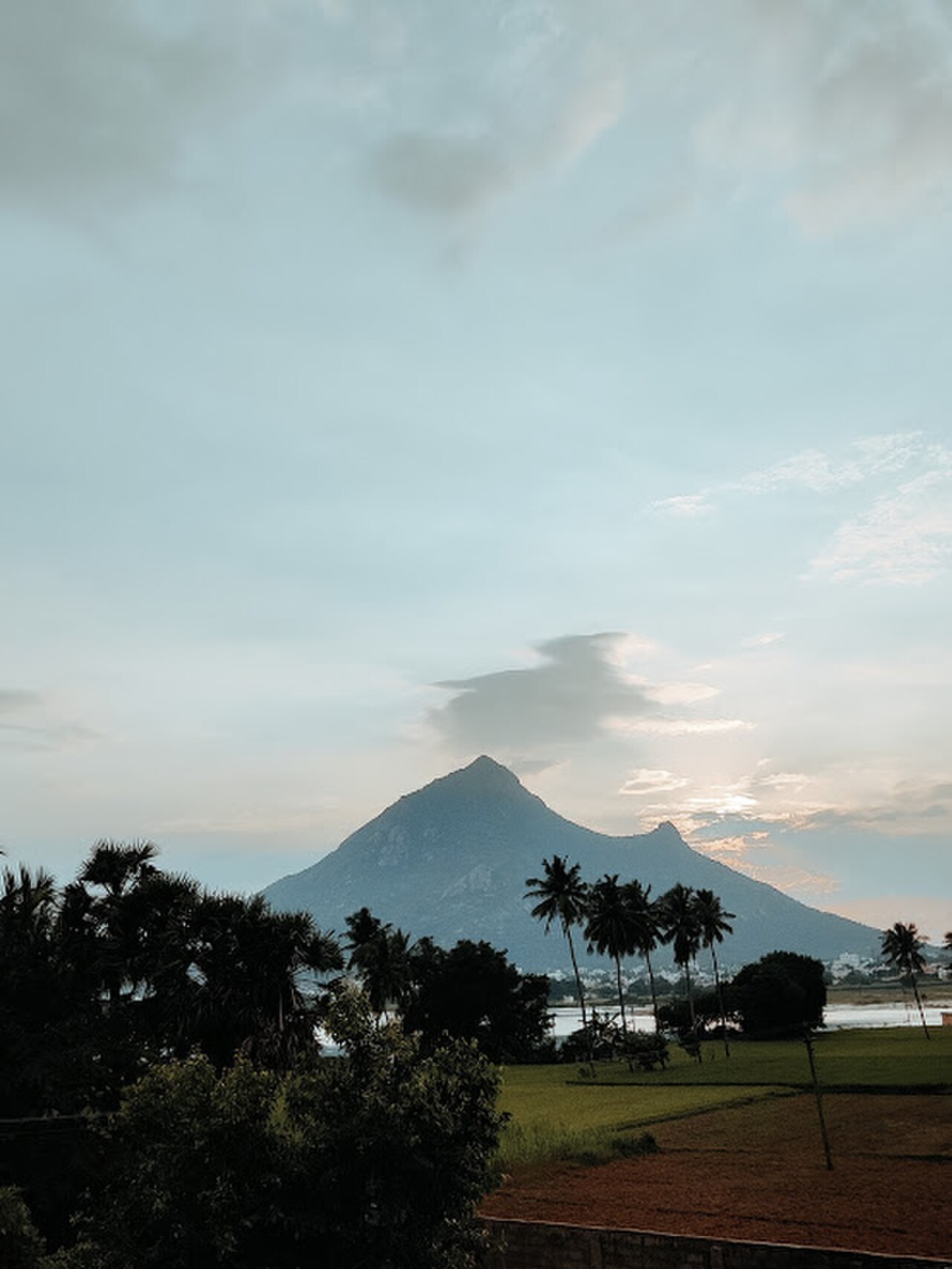
Tiruvannamalai Tourist Places
Beyond the Girivalam path, Tiruvannamalai is home to one of India's great Shiva temples, the ashrams of Ramana Maharshi and other saints, sacred caves on Arunachala Hill, and a handful of scenic day-trips nearby.
Temples & Sacred Sites
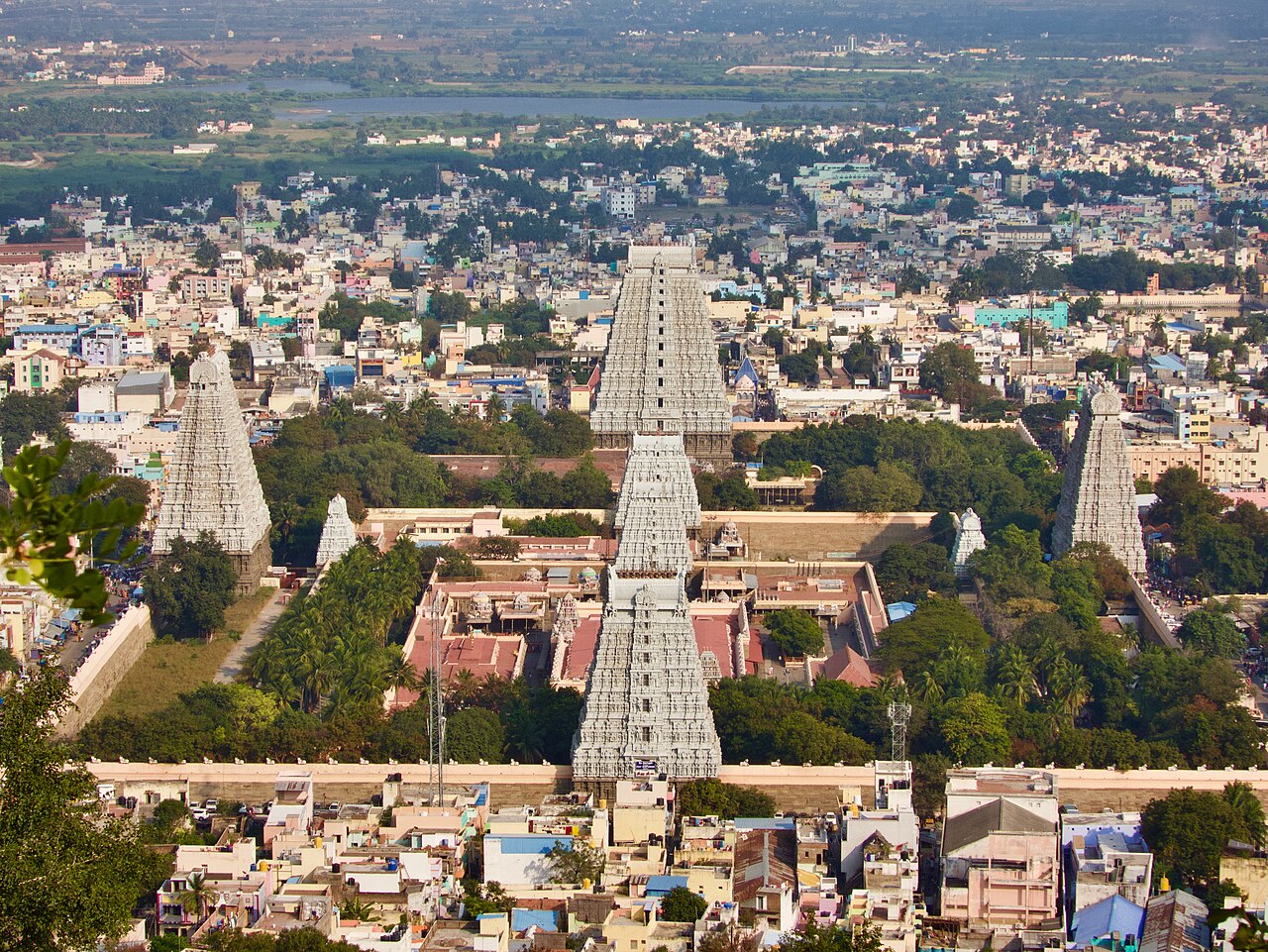
Arunachaleswarar Temple (Annamalaiyar Temple)
Town centreOne of India's largest Shiva temples and the spiritual heart of Tiruvannamalai, spread over ~25 acres. Dedicated to Lord Shiva as Arunachaleswarar — the Agni (fire) Lingam among the Pancha Bhoota Sthalams. Famous for its 66m eastern gopuram, the thousand-pillared hall, the Sivaganga and Ayyankulam tanks, and the Karthigai Deepam beacon lit atop Arunachala Hill.
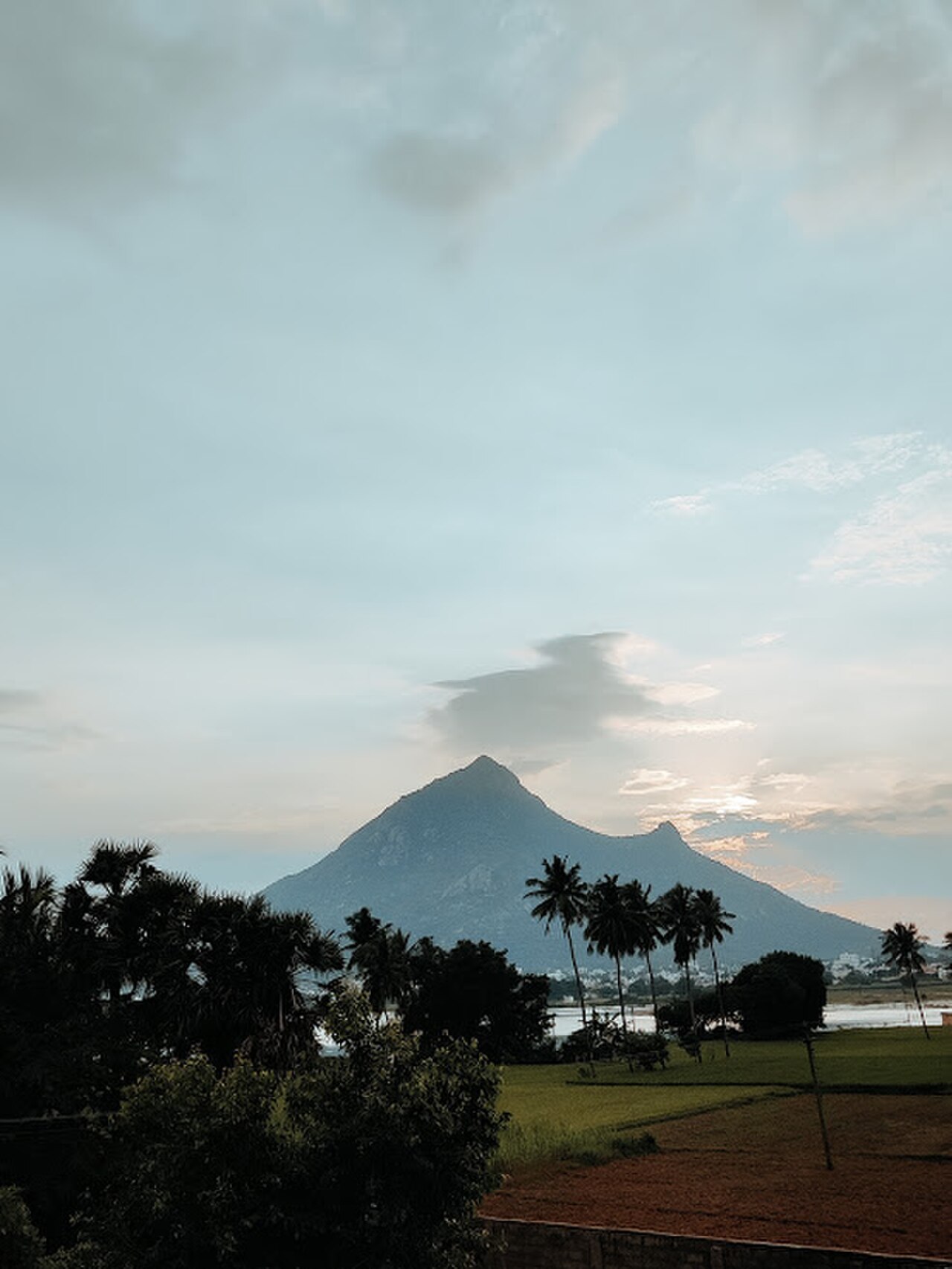
Girivalam Path
Around the hillThe ~14km road that circles Arunachala Hill, walked clockwise by devotees — especially on Pournami (full moon) nights. It passes all 8 Ashta Lingam temples plus many smaller shrines, water points and rest areas.
Adi Annamalai Temple
~6 kmAn old and revered Shiva temple on the far side of Arunachala along the Girivalam path, believed to be one of the original shrines of the region. A quieter, atmospheric stop with fine sculpture.
Pavazhakundru
On the pathA small hillock and shrine along the Girivalam path — a popular rest and prasadam point during Pournami, and associated with Ramana Maharshi's early years.
Ashrams, Caves & Meditation Spots

Sri Ramanasramam (Ramana Ashram)
~2 kmThe ashram built around the samadhi of Sri Ramana Maharshi at the foot of Arunachala. A world-renowned centre for meditation and self-enquiry, with a shrine hall, library of rare books, and simple satvic meals.
Virupaksha Cave
~1.5 km climbAn Om-shaped cave on the slopes of Arunachala where Ramana Maharshi meditated for around 16 years. Reached by a short climb above Ramanasramam and still used for silent meditation.
Skandashram
~2 km climbSet just above Virupaksha Cave, this was Ramana Maharshi's residence for several years. The short trek is rewarded with sweeping views over the temple and town.
Mango Tree Cave (Mamara Guhai)
On the hillA quiet cave on Arunachala where Ramana Maharshi is said to have spent time in deep meditation. A peaceful, less-crowded spot for reflection.
Seshadri Swamigal Ashram
~2 kmAshram and samadhi shrine of Seshadri Swamigal, a revered saint and contemporary of Ramana Maharshi, close to Ramanasramam.
Yogi Ramsuratkumar Ashram
~1 kmThe serene ashram of the 20th-century mystic Yogi Ramsuratkumar, with a striking hall and gardens, visited by devotees from across India.
Arunachala Hill & Nature
Arunachala Hill Trek
From the townThe holy hill itself can be climbed via marked trails past caves and meditation spots to the peak. Best attempted before sunrise to beat the heat; go with a guide as trails are rugged.
Sivaganga & Temple Tanks
Temple complexThe Sivaganga and Ayyankulam tanks within and beside the Arunachaleswarar Temple, used for ritual bathing and considered sacred by pilgrims.
Nearby Excursions & Day Trips
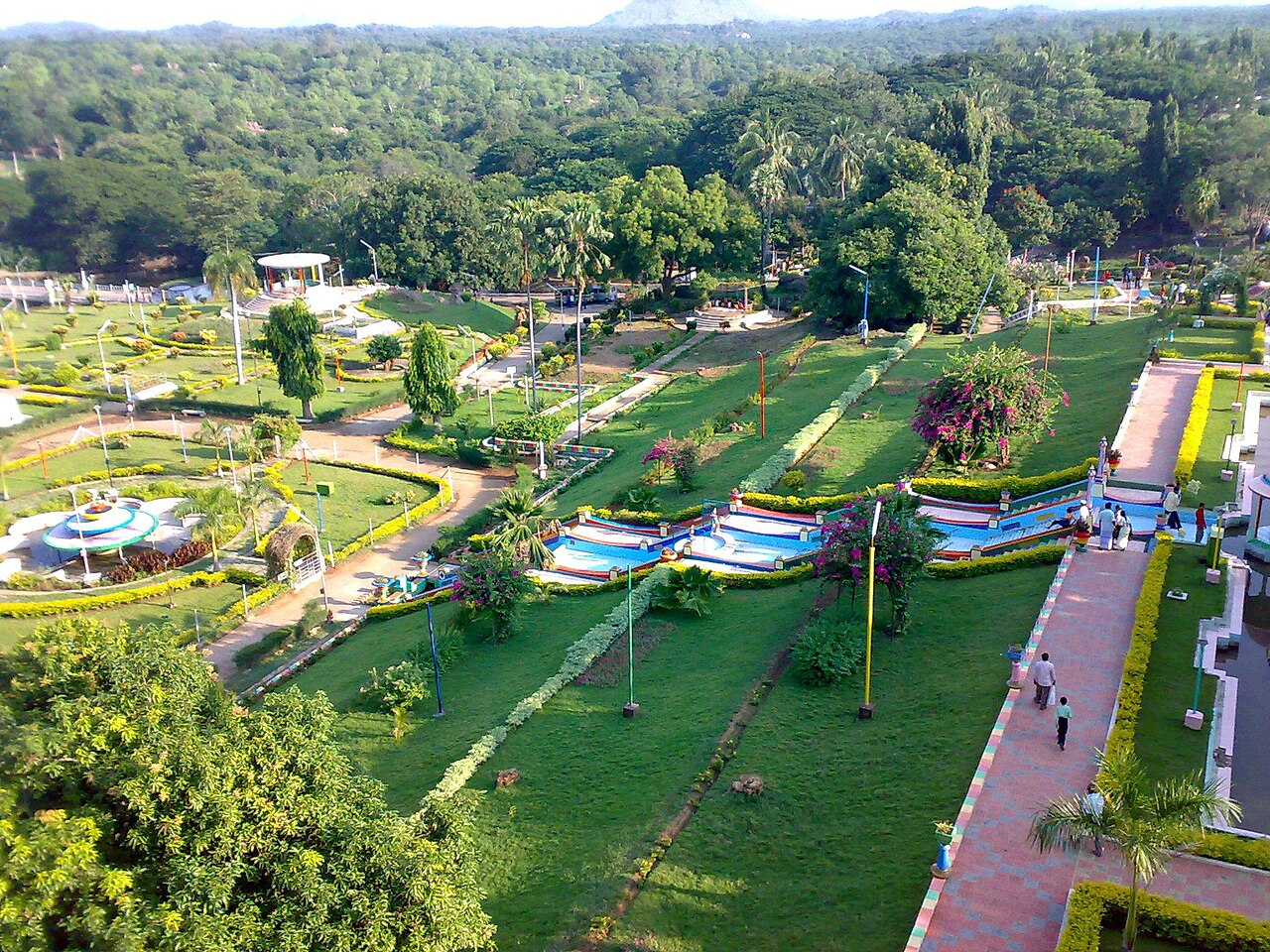
Sathanur Dam
~30 kmA scenic dam across the Thenpennai (Ponnaiyar) river with landscaped parks, a crocodile farm and a fish grotto — a popular family picnic outing, especially after the monsoon.
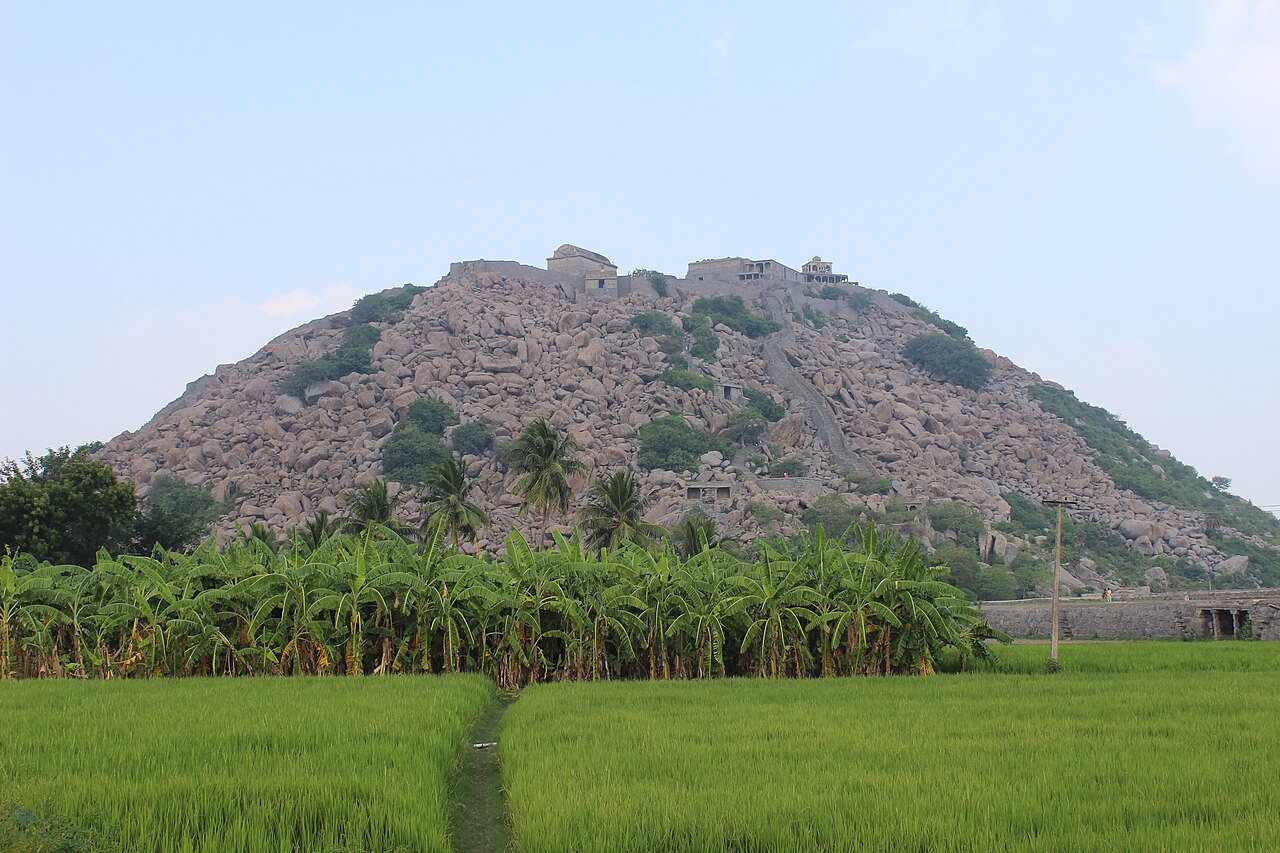
Gingee Fort (Senji Fort)
~37 kmA dramatic hill fortress dating to the 13th century, expanded by the Vijayanagara empire and later the Marathas. Called the 'Troy of the East' for its formidable ramparts and hilltop citadel.
Parvathamalai
~25 kmA steep, sacred hill topped by the Mallikarjuna Swamy (Shiva) temple. A challenging trek popular with devotees and adventure seekers, best done in the cooler months and daylight hours.
Tirumalai Jain Temple
~40 kmAn ancient Jain complex with temples, rock-cut caves and a towering statue of Neminatha — one of the tallest Jain images in Tamil Nadu, set amid quiet hills.
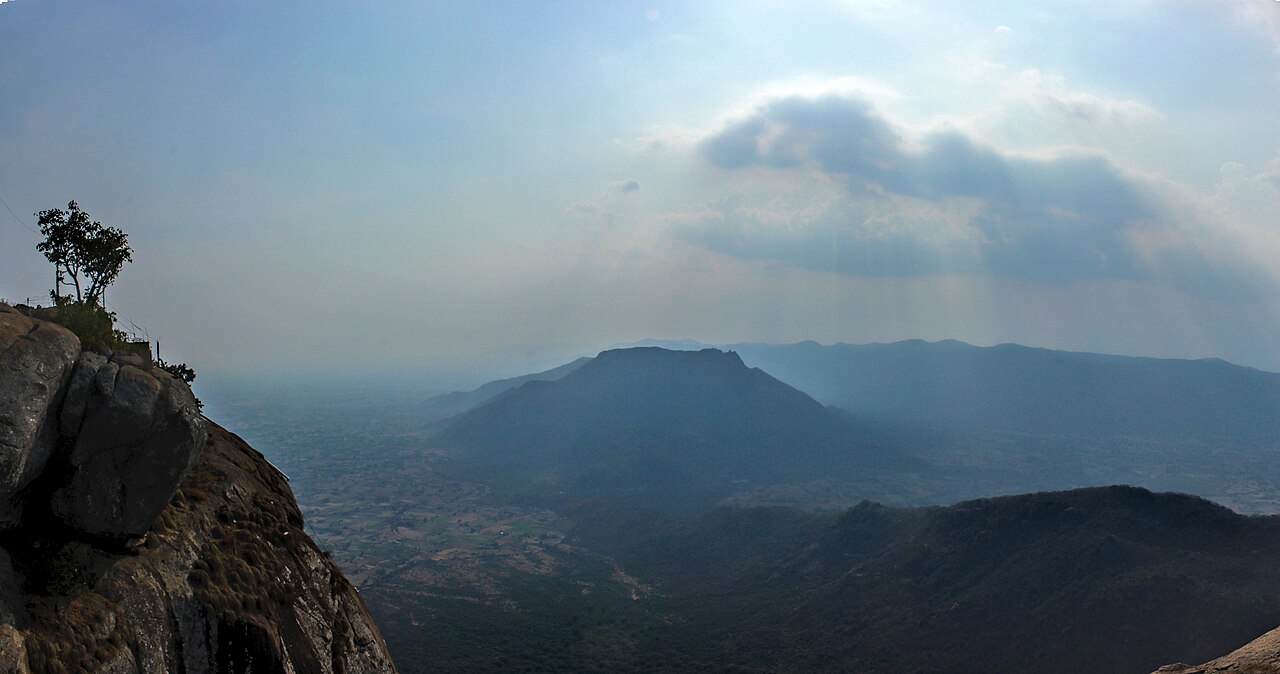
Javadhu Hills
~75 kmA cool forested range with Beeman Falls, Komutteri Lake, the Kavalur (Vainu Bappu) Observatory and Amirthi forest — a scenic escape for a longer day trip.
Padaveedu Village
~35 kmHistoric settlement known as the 'village of temples', with remnants of 13th-century Sambuvarayar-era architecture and several old shrines.
Distances at a Glance
| Place | Type | From town |
|---|---|---|
| Arunachala Hill Trek | Sacred summit | From the town |
| Sivaganga & Temple Tanks | Sacred tanks | Temple complex |
| Sathanur Dam | Picnic spot | ~30 km |
| Gingee Fort (Senji Fort) | Historic fort | ~37 km |
| Parvathamalai | Trekking hill temple | ~25 km |
| Tirumalai Jain Temple | Jain heritage | ~40 km |
| Javadhu Hills | Hill station | ~75 km |
| Padaveedu Village | Village of temples | ~35 km |
Planning Your Visit
Visit the temple early morning or after evening pooja to avoid the midday heat and crowds.
Combine Ramanasramam, Virupaksha Cave and Skandashram into one walking route up the hill.
Plan around Pournami if you also want to experience Girivalam — but expect very large crowds.
Dress modestly when entering temples and ashrams; footwear is left outside.
Carry water and a torch — shade and facilities are limited on the hill trails.
Most ashrams observe quiet hours and silent meditation; check timings before visiting.
For nearby spots like Sathanur Dam or Gingee Fort, hire a cab and set aside half a day.
November to February is the most pleasant time to visit.
Frequently Asked Questions
What is Tiruvannamalai famous for?
Tiruvannamalai is famous for the Arunachaleswarar (Annamalaiyar) Temple, the sacred Arunachala Hill, and the Girivalam full-moon circumambulation. It is also a major meditation destination thanks to Sri Ramana Maharshi's ashram, and hosts the spectacular Karthigai Deepam festival.
What are the best places to visit in Tiruvannamalai?
The top places are the Arunachaleswarar Temple, Sri Ramanasramam, Virupaksha Cave and Skandashram on Arunachala Hill, the Girivalam path, and nearby excursions such as Sathanur Dam, Gingee Fort and Parvathamalai.
How many days do you need in Tiruvannamalai?
One to two days is enough to see the temple, the ashrams and caves on the hill, and to walk part of the Girivalam path. Add an extra day if you want to visit nearby attractions like Sathanur Dam, Gingee Fort or Javadhu Hills.
What is the best time to visit Tiruvannamalai?
November to February is the most comfortable, with cooler weather. Pournami (full moon) nights and the Karthigai Deepam festival (Nov–Dec) are the most auspicious times for Girivalam but draw very large crowds.
Photos via Wikimedia Commons contributors (CC BY-SA) — Arunachala Hill, Arunachaleswarar Temple, Sri Ramanasramam, Gingee Fort, Sathanur Dam & Javadhu Hills.
Planning to Walk Girivalam Too?
See the full route, distances, and the 8 Ashta Lingam temples along the way.